A Study on Molecular Architecture to Scavenge ROS and improve Metal Chelation Potency
DOI:
https://doi.org/10.65718/inspireHealth.2026.2001Keywords:
Flavonoids, Metal Chelation, Oxidative Stress, CKD treatment, Molecular Modeling, Allicin, Cancer treatmentAbstract
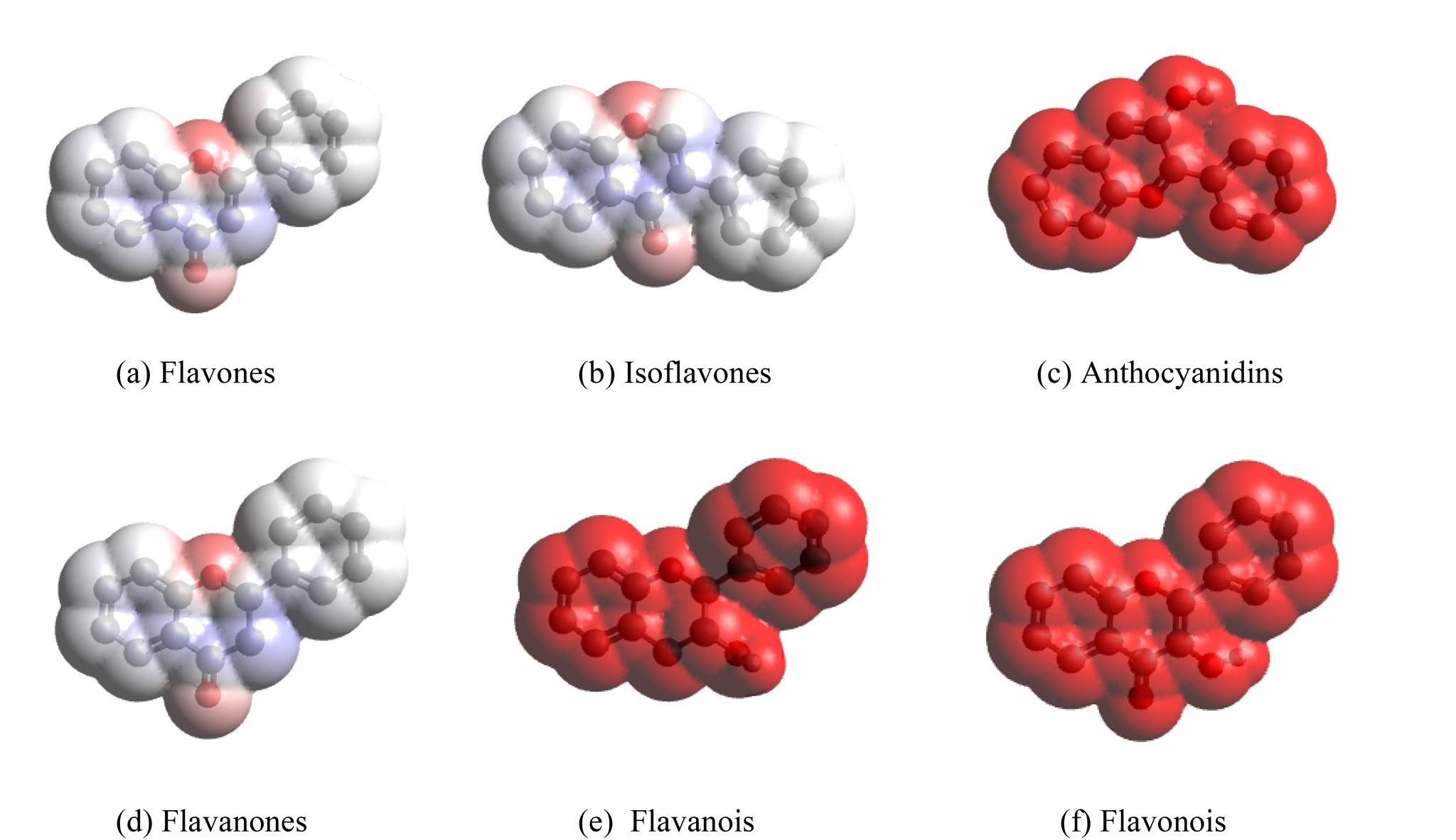
Polyphenols show antioxidant properties because their phenolic hydroxyl groups attached to aromatic rings neutralize free radicals and bind to pro-oxidant metal ions. The antioxidant properties of flavonoids can be improved when they capture metal ions such as Fe²⁺, Cu²⁺, Pb²⁺ and Cd²⁺ through their hydroxyl and carbonyl groups. This study investigates flavonoids as a vital subclass which provides antimicrobial effects and anti-inflammatory properties and heart protection through their molecular structure that determines their biological activities. The research utilized analytical chemistry and molecular editing programs to optimize molecular structures and measure various metrics including energy stability, dipole moments and electrostatic potential maps for assessing antioxidant and metal-chelating properties. The data for the Myricetin compound with three B-ring hydroxyl groups shows the lowest energy state. This made it the most effective antioxidant and chelating agent. The Isorhamnetin and Luteolin displayed higher energy states because of their different steric hindrance and molecular structures. These agents slow the Fenton reactions and minimize oxidative stress while facilitating detoxification mechanisms. The most stable metal complexes formed from flavonols and flavanols contained catechol structures and expanded π-electron systems. The assessment of flavonoid reactivity and chelation spontaneity relied on thermodynamic and electronic property calculations which included binding energy and Gibbs free energy (ΔG) and enthalpy (ΔH) and entropy (ΔS) and HOMO-LUMO gaps. The research demonstrates how flavonoid structure determines their biological functions which makes them suitable for treating oxidative stress and metal toxicity in periodontitis and other conditions. The research also suggests creating a method to boost antioxidant protection through the combination of metal-chelating flavonoids with allicin which is a sulfur-based compound found in garlic. The dual treatment method can protect kidneys from oxidative damage and uses allicin's cancer cell-specific pro-oxidant action while flavonoids protect normal cells to create an effective therapeutic approach for treating CKD and cancer.
Downloads
Published
Issue
Section
License
Copyright (c) 2026 Inspire Health

This work is licensed under a Creative Commons Attribution-NonCommercial-NoDerivatives 4.0 International License.